HomeOur Story
القِصَّة · من 1999

A pit lit in Bangalore, twenty-five years ago.

More than two decades on, that first charcoal pit is still warm somewhere. The dishes that came out of it travelled — to Chennai, Mangalore, Arcot, Ambur, Calicut, Dubai — and the recipes mostly travelled unchanged. This is how the lineage went.

1999
The First PitBengaluru, Karnataka

Among the first mandi plated in South India.

The pit was small and the room was smaller — a single charcoal mandi pit, a dozen chairs, and a Yemeni recipe few in Bangalore were cooking. In those early days the rice would run out before the night was done. We'd borrow extra from the neighbour and stay open late.

The plate we served then is, give or take a pinch of black lime, the same plate we serve today. The pit hasn't gone cold since.
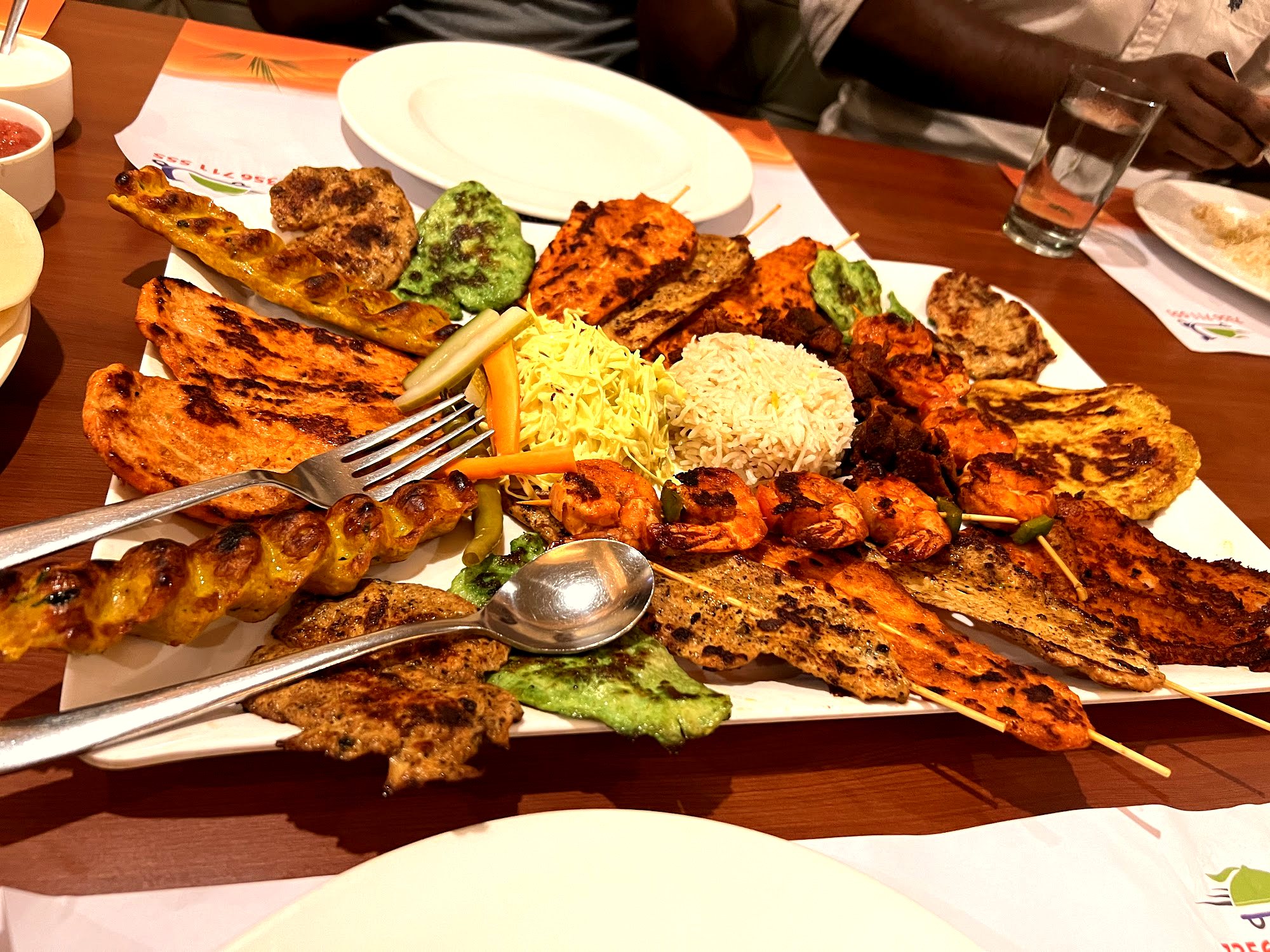
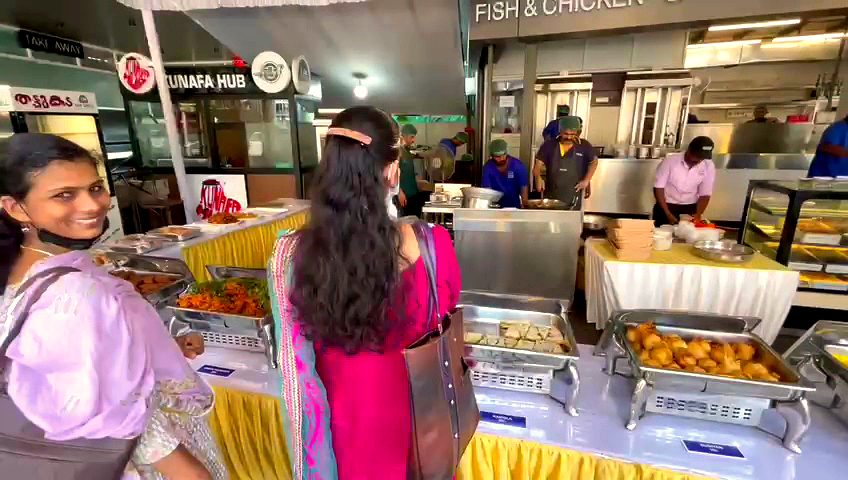
A charcoal mixed-grill and mandi feast
— The plate that started it all · Bengaluru · 1999
2000s
The SpreadChennai · Mangalore
Arcot · Ambur

From Bangalore across the South.

Chennai. Mangalore. Arcot. Ambur. The recipe travelled in one suitcase — a measuring cup, a sealed jar of our spice mix, and a head chef who knew the pit by feel.

The kabsa joined the menu the year we opened in Chennai — a Saudi recipe shown to us by a regular who had grown up in Riyadh and had been ordering the mandi every Friday for three years.

2015
The Calicut HouseMavoor Road, Kozhikode

Coming home to Malabar.

Calicut had Malabar biryani, fish curry, and a hundred years of Gulf migration in its bloodstream. Of course we belonged here. We took the Mavoor Road property and built quiet rooms above for the visiting families, and called it a Restaurant & Residency.

The Palayam house on MM Ali Road followed soon after — closer to the harbour, busier at lunch, and a slightly different crowd in for the family thali.

The Calicut house — warm Arabic restaurant interior
— The Mavoor Road house, the year it opened.
2018
Crossing the GulfDubai · Doha

Back to the Arabian table.

The cuisine we plate has Arabian roots — so it felt right to cross the Gulf and plate it where the recipes were born. Dubai, then Doha. The pit there cooks Yemeni mandi for a Gulf clientele, with no apologies.

A South-Indian-born Mandi house, plating the Arabian table in the cities the recipes came from.

2026
Today15+ houses · 3 countries

The same plate, fifteen-plus times.

Fifteen-plus houses, three countries, and counting. The pit is bigger now. The team is larger. The plate, though, is the same plate we made in 1999 — long-grain rice, charcoal, cardamom, black lime, a hand of cooked goat. The plate that started it all.

If you ate with us in Bangalore at the turn of the century, you would recognise the rice today. That is the only review we measure ourselves by.

ثَلَاثَة أَشْيَاء

Three things we will not change.

الفَحْم

The charcoal pit.

No oven, no rotisserie, no shortcut. The mandi cooks over wood charcoal the way Yemeni grandmothers do it. The pit is the slowest part of the kitchen — and the most important.

البَهَارَات

The spice mix.

The mandi spice — black lime, cardamom, cinnamon, two pepper varieties — is hand-mixed at our Bangalore kitchen and sent to every house. Not a single outlet buys it locally. This is not a brand position; it is a recipe rule.

المَرْحَبَة

The welcome.

Saj torn at the table. Saffron karak after the meal. Stewards who remember your last order. We don't tier this — the airport-driver and the Sheikh get the same welcome at the same charcoal-warmed table.

تَفَضَّلُوا

Walk in for the mandi.
Stay for the legacy.

Two Calicut houses, open daily — and a Residency upstairs at Mavoor Road for the visiting families.